
Complexity Thoughts: Issue #86
Unraveling complexity: building knowledge, one paper at a time
If you find value in #ComplexityThoughts, consider helping it grow by subscribing and sharing it with friends, colleagues or on social media. Your support makes a real difference.
→ Don’t miss the podcast version of this post: click on “Spotify/Apple Podcast” above!
Human behavior
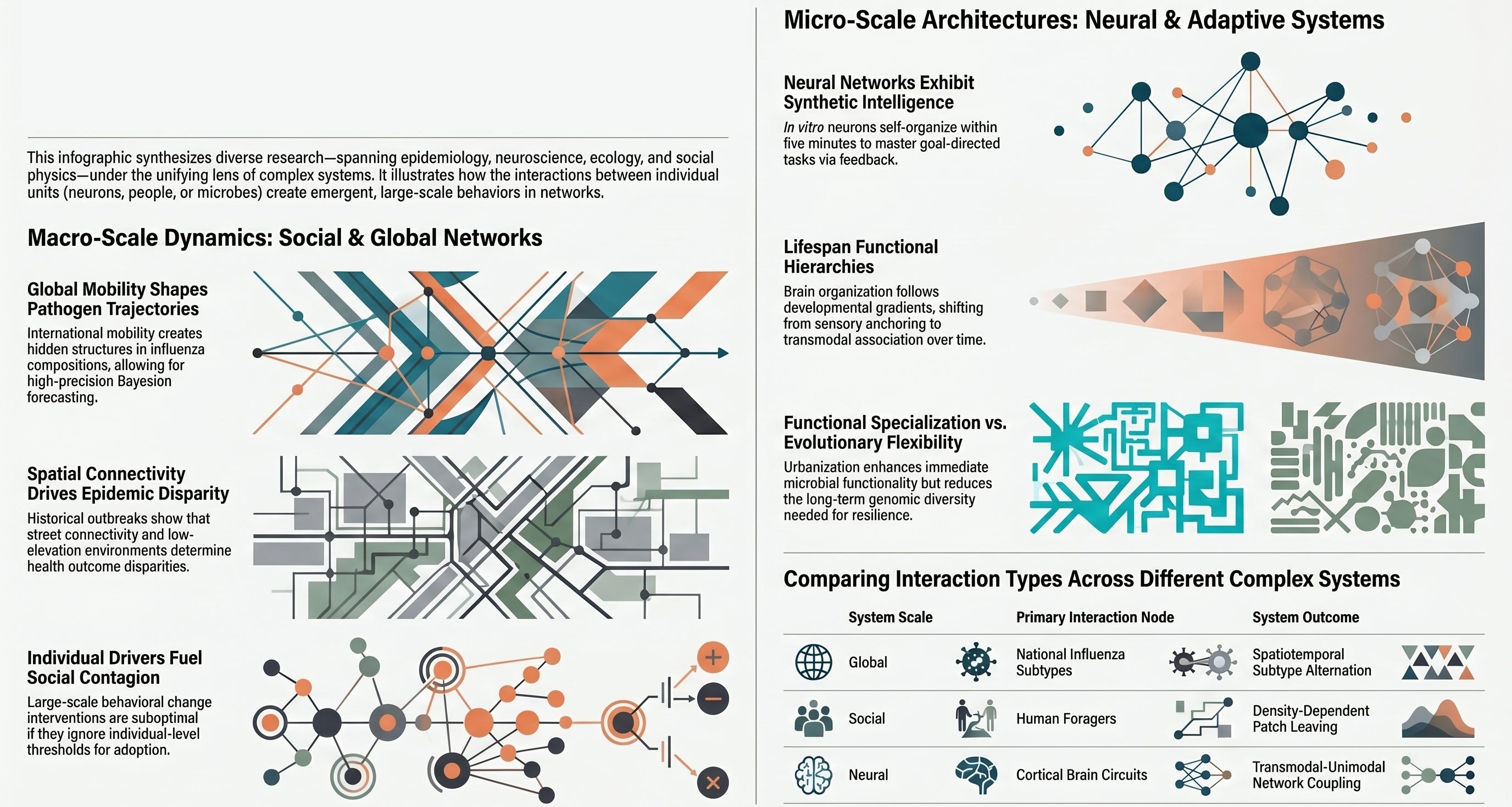
Addressing global challenges often involves stimulating the large-scale adoption of new products or behaviours. Research traditions that focus on individual decision-making suggest that achieving this objective requires identifying the drivers of individual discrete adoption choices. However, computational approaches rooted in complexity science focus on maximizing the propagation of a given product or behaviour throughout social networks of interconnected adopters. Here, by integrating discrete-choice modelling into the complex contagion theory, we propose a method to estimate individual-level thresholds to adoption. We validate the predictive power of this approach in two choice experiments. By integrating the estimated thresholds into computational simulations, we show that state-of-the-art seeding policies for initiating large-scale behavioural change might be suboptimal if they neglect individual-level behavioural drivers, which can be corrected through the proposed experimental method.
Understanding human behaviour for pandemic preparedness with epigames
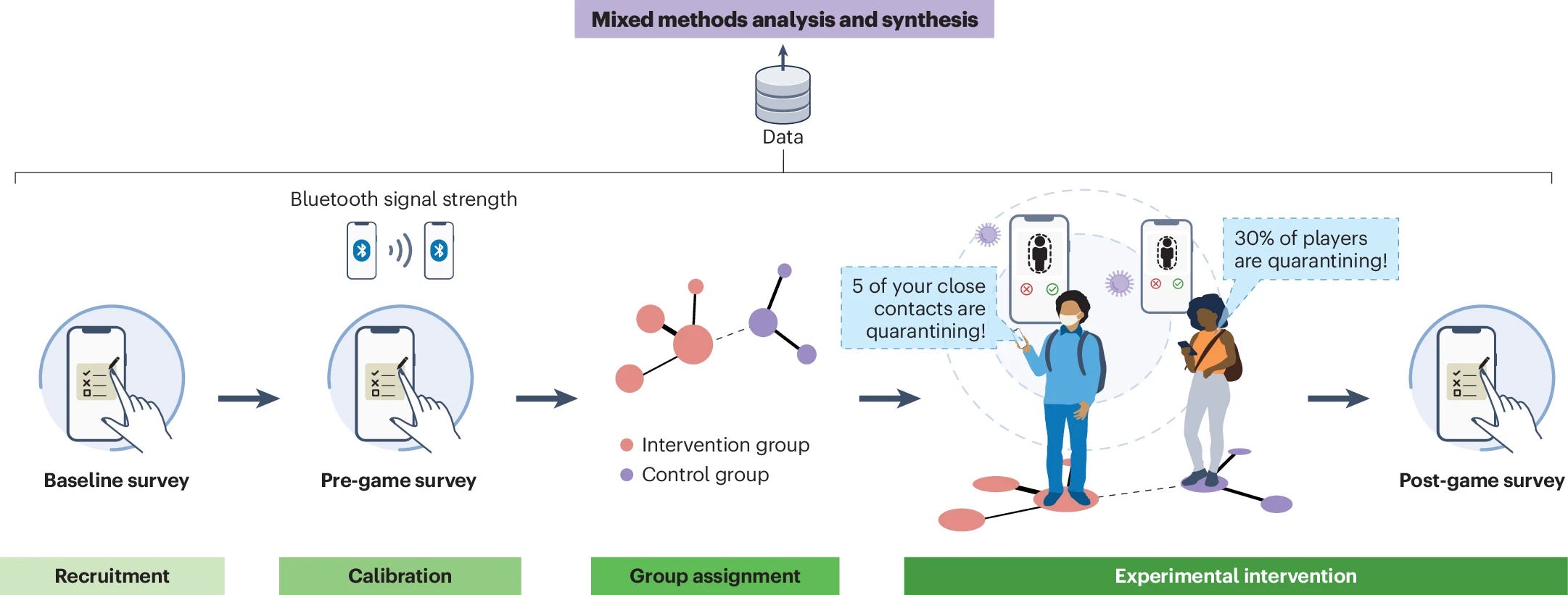
Infectious diseases that spread from person to person by direct transmission, including respiratory pathogens such as influenza and coronaviruses, impose a large global health burden and remain the most likely causative agents for future devastating pandemics1. For many such diseases, transmission occurs when individuals are in close proximity for a sufficient time and through highly structured social contact networks2. Data on the properties of these networks, including their temporal and spatial structures, how pathogens spread in them, and how interventions might alter this spread are scarce or inconsistent and seldom incorporate behavioural features. This produces a knowledge gap between policy-relevant models of pathogen transmission and the data they require: details of contact networks at high spatial and temporal resolution and their variability and malleability under different conditions.
Spatial and social determinants of the 1857 yellow fever epidemic in Lisbon
Yellow fever is a mosquito-borne disease transmitted to humans primarily through Aedes aegypti in urban areas. Currently, yellow fever is endemic in the tropical regions of South America and Africa. Historically yellow fever caused outbreaks and epidemics in North America and Europe too. Climate change and global connectivity are expanding the potential range of Aedes aegypti, increasing the risk of yellow fever re-emergence in Europe. To support future preparedness efforts, we examined a historical yellow fever epidemic that occurred in Lisbon, Portugal, that caused 18,000 cases and 5,652 deaths, and assessed its transmission characteristics using the basic and effective reproduction number. We digitalised and mapped archival data at the neighbourhood level to assess the contributions of both social (population, occupations, and gender dynamics) and environmental (temperature, precipitation, wind, and elevation) factors of the yellow fever epidemic in Lisbon. Research into a European epidemic that occurred 80 years before an effective yellow fever vaccine is useful for understanding population-environment dynamics in a pre-vaccination setting where yellow fever is not established. Our findings could strengthen current arbovirus control efforts and support epidemic preparedness in urban areas.
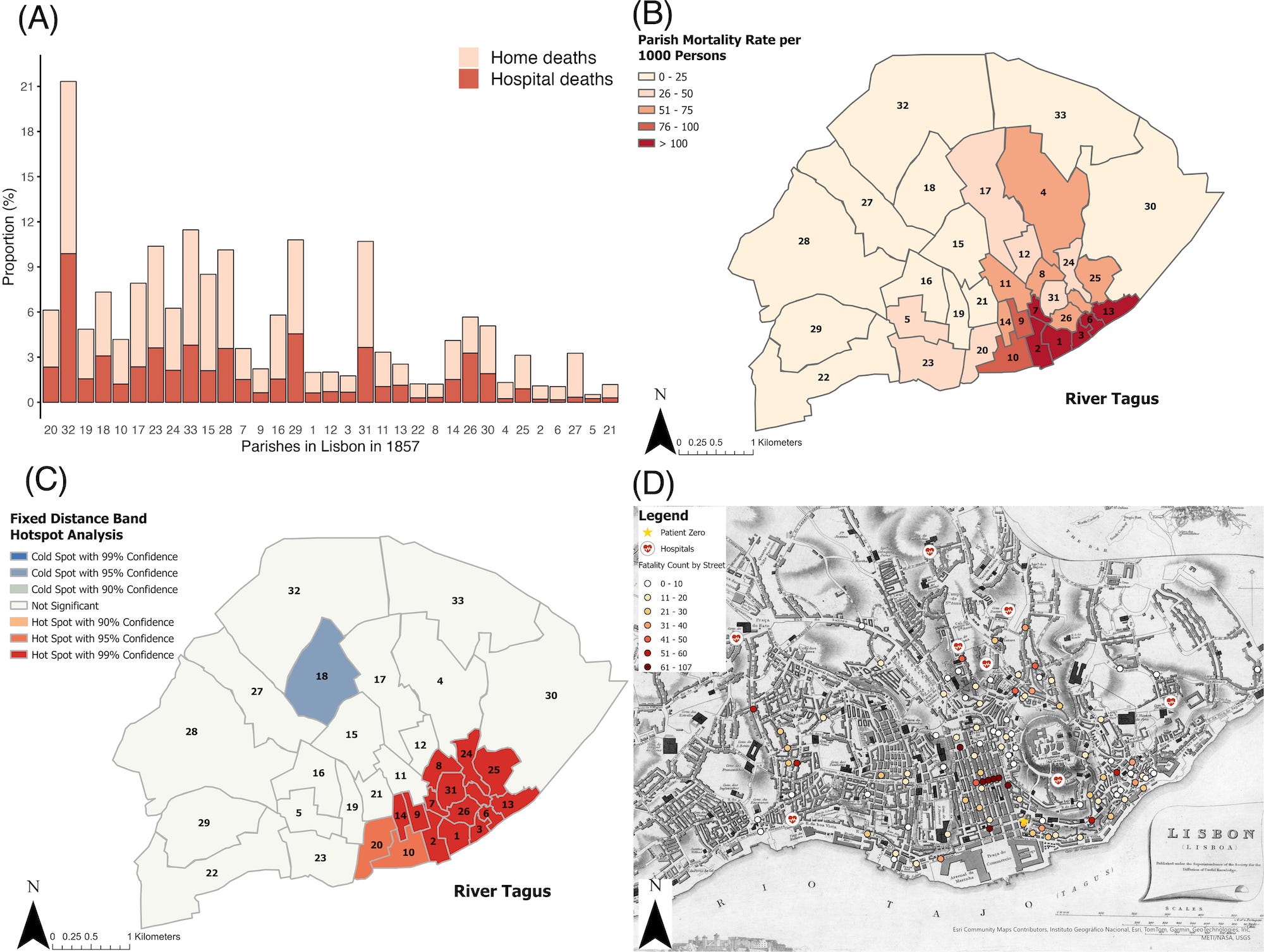
Despite the availability of a highly effective vaccine, yellow fever virus (YFV) is still endemic in 47 countries globally. Although disease due to YFV was first recorded in 1635, factors contributing to its spread remain poorly understood today. Using archival data from the nineteenth century, we digitalised and mapped the 1857 yellow fever (YF) epidemic in Lisbon, Portugal, to understand how transmission dynamics and spatial and environmental characteristics led to disparities in health outcomes between sociodemographic groups. We modelled the basic and effective reproduction number (R0 and Rt) and found that transmission dynamics throughout this pre-vaccination era epidemic are consistent with prevailing estimates (R0 ≃ 5). Transmission peaked at the end of October 1857 when YF was declared an epidemic, then declined until January 1858. YFV killed 4.2% of the population with infection attack rates ranging between 10.3-13.5%. Out of the 34 parishes in urban Lisbon, our hotspot analysis identified 15 statistically significant high-risk parishes near the coastline. Our maps, combined with a digital terrain model, show that the highest number of deaths occurred within connected streets confined in low-elevation built-up areas with homes. We discuss the potential role of wind and temperature in aiding mosquito dispersal across Lisbon, which were believed as the main historical environmental drivers of YF. More people died at home than in hospitals, and although working-aged men accounted for most fatalities, the highest probability of death was found among women working at home. Our study highlights the role of human-environment interactions in shaping a historical YF epidemic in a pre-vaccination urban setting and enhances our understanding of modern-day transmission dynamics.
Characterization and forecast of global influenza subtype dynamics
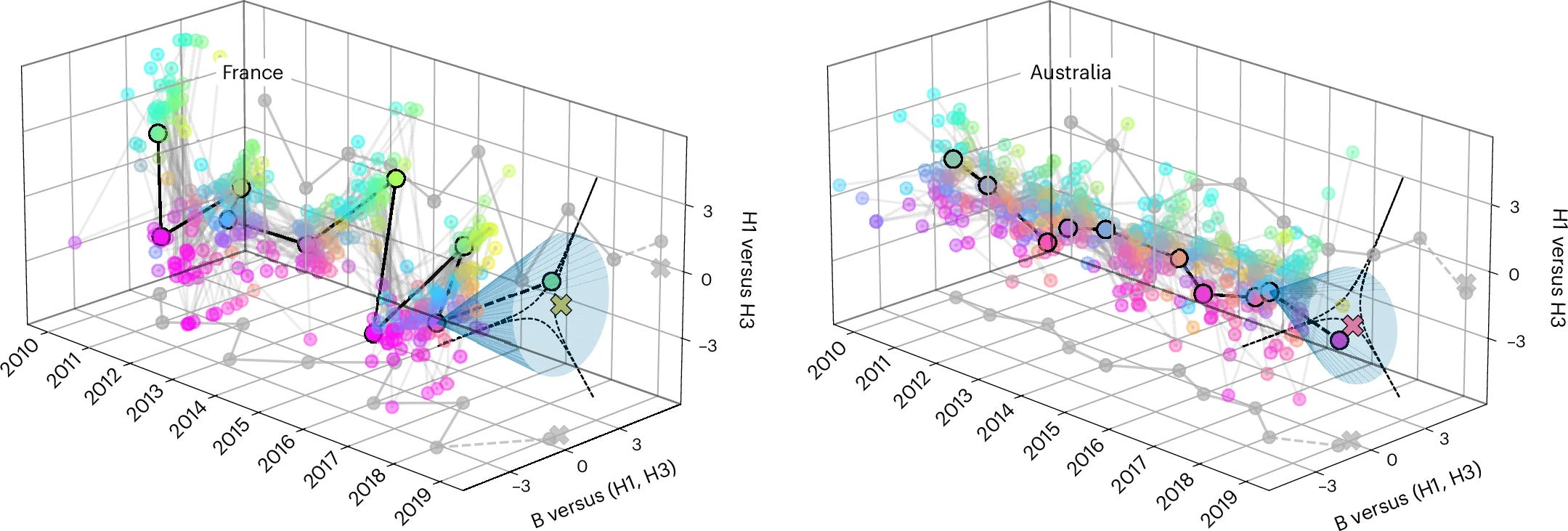
The subtype composition of seasonal influenza waves varies in space and time. Influenza subtypes A/H1N1, A/H3N2 and B tend to have different impacts on population groups; therefore, understanding the drivers of their cocirculation and anticipating their composition is important for epidemic preparedness. FluNet provides data on influenza specimens by subtype for more than 150 countries. However, owing to surveillance variations across countries, global analyses usually focus on subtype compositions, a kind of data difficult to treat with advanced statistical methods. We used compositional data analysis to circumvent the problem and study trajectories of annual subtype compositions of countries. Here we first examine global trends from 2000 to 2023. We identify a few seasons which stood out for the strong within-country subtype dominance due to either a new virus/clade taking over (2003/2004 season, A/H1N1pdm pandemic) or subtypes’ spatial segregation (coronavirus disease 2019 pandemic). Second, we show that geographical factors, most notably international mobility, concurred in shaping countries’ composition trajectories between 2010 and 2019. Trajectories clustered in two macroregions characterized by subtype alternation versus persistent mixing. Finally, we define five algorithms for forecasting the next year’s composition and found that incorporating the global history of subtype composition in a Bayesian hierarchical vector autoregressive model improved predictions compared with naive methods. The joint analysis of spatiotemporal dynamics of influenza subtypes worldwide reveals a hidden structure in subtype circulation that can be used to improve predictions of the subtype composition of next year’s epidemic according to place.
High-precision tracking of human foragers reveals adaptive social information use in the wild
Like other animals, humans use environmental cues to determine where and how to find food. Foraging is also generally a social activity, yet the role of social information in humans’ foraging decisions is poorly understood. Schakowski et al. used ice-fishing competitions in eastern Finland to observe the roles of environmental and social information in decisions about where to fish and when to move on to another spot (see the Perspective by Todd and Hills). Analyzing video footage and location data from headcams and GPS devices, respectively, the authors found that social information, specifically where other participants were fishing, influenced foraging behaviors, especially for women. Participants selected sites (and were less likely to leave them) in areas with a higher density of other individuals, which were more likely to produce fish catches. — Bianca Lopez
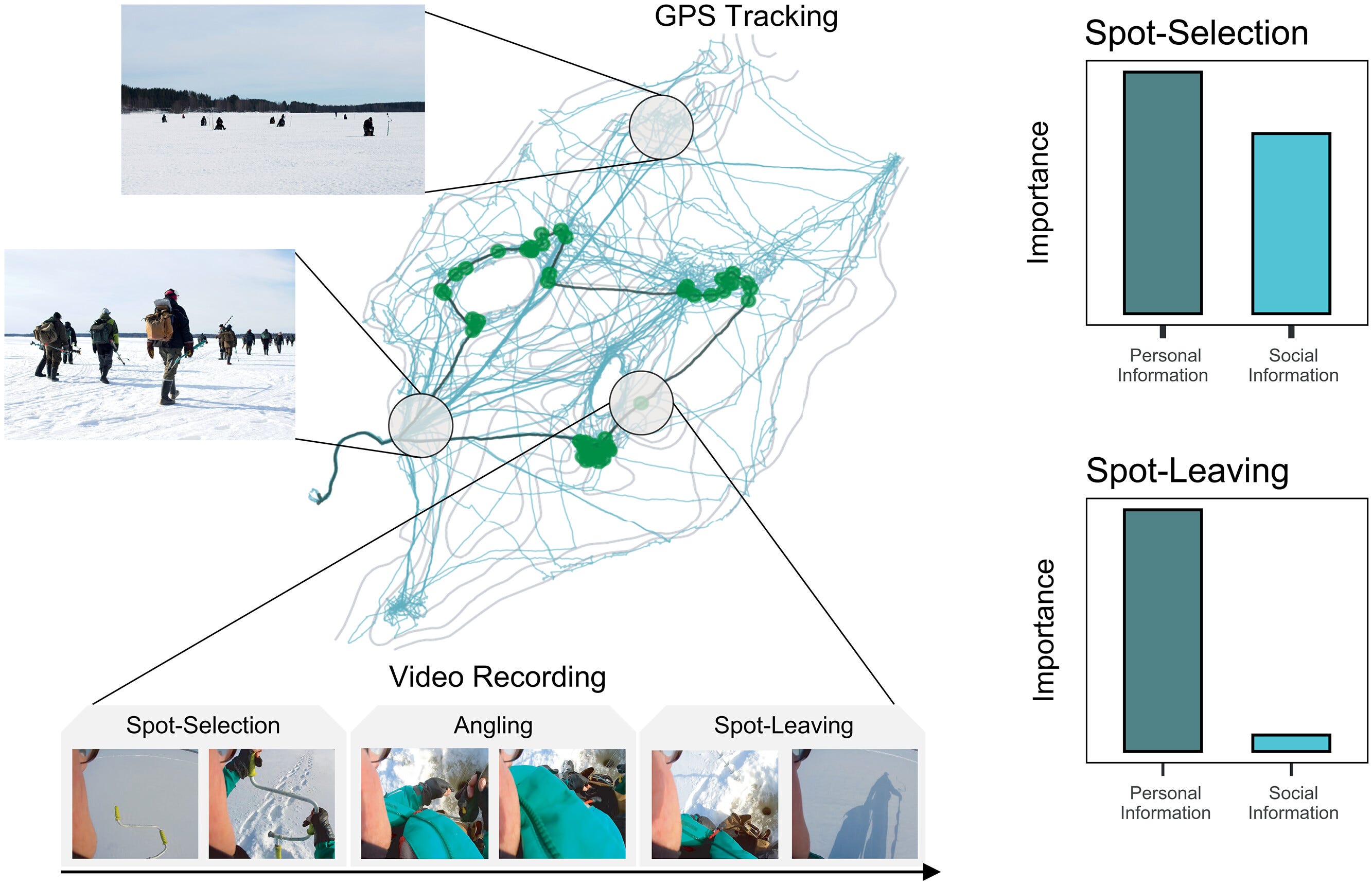
Foraging complexity and competitive social challenges are considered key drivers of human cognition. Yet, the decision-making mechanisms that underlie social foraging in the real world remain unknown. Integrating high-precision Global Positioning System (GPS) tracking and video footage from large-scale foraging competitions with cognitive-computational modeling and agent-based simulations, we show how foragers integrate personal, social, and ecological information to guide spatial search and patch-leaving decisions. We show how the social context emerges as a key driver of foraging dynamics. Foragers adaptively rely on social information to locate resources when unsuccessful and extend giving-up times in the presence of others, which results in increased area-restricted search at high social densities. These findings demonstrate the importance of sociality for human foraging decisions and provide a template for harnessing high-resolution tracking data to study real-world cognition.
Principles for a post-growth scenario of ambitious mitigation and high human well-being
Not strictly a human-behavior paper, but quite related.
Most climate mitigation scenarios maintain inequalities and associate favourable social and climate outcomes with continuing economic growth. By contrast, post-growth scholarship advocates for reducing less-necessary production, reorienting the economy towards human needs and ecological goals, and pursuing equitable convergence within and between countries. Here we synthesize recent advances in post-growth research into five core principles: well-being, sufficiency, reduced inequalities, repurposing of the economy and north–south convergence. Existing post-growth scenarios tend to fall short of considering, let alone implementing, these key elements. We assess feasibility barriers, finding that post-growth will face weaker geophysical and technological constraints, but stronger socio-cultural and political opposition, than growth-oriented scenarios. Advances in post-growth research, alongside international calls for mitigation rooted in fairness and equity, present a strong case for a holistic development of post-growth scenarios.
Urban (eco)systems
The trade-off between microbial functionality and evolutionary flexibility under urbanization
I admit that I had to think a bit about how to classify this paper.
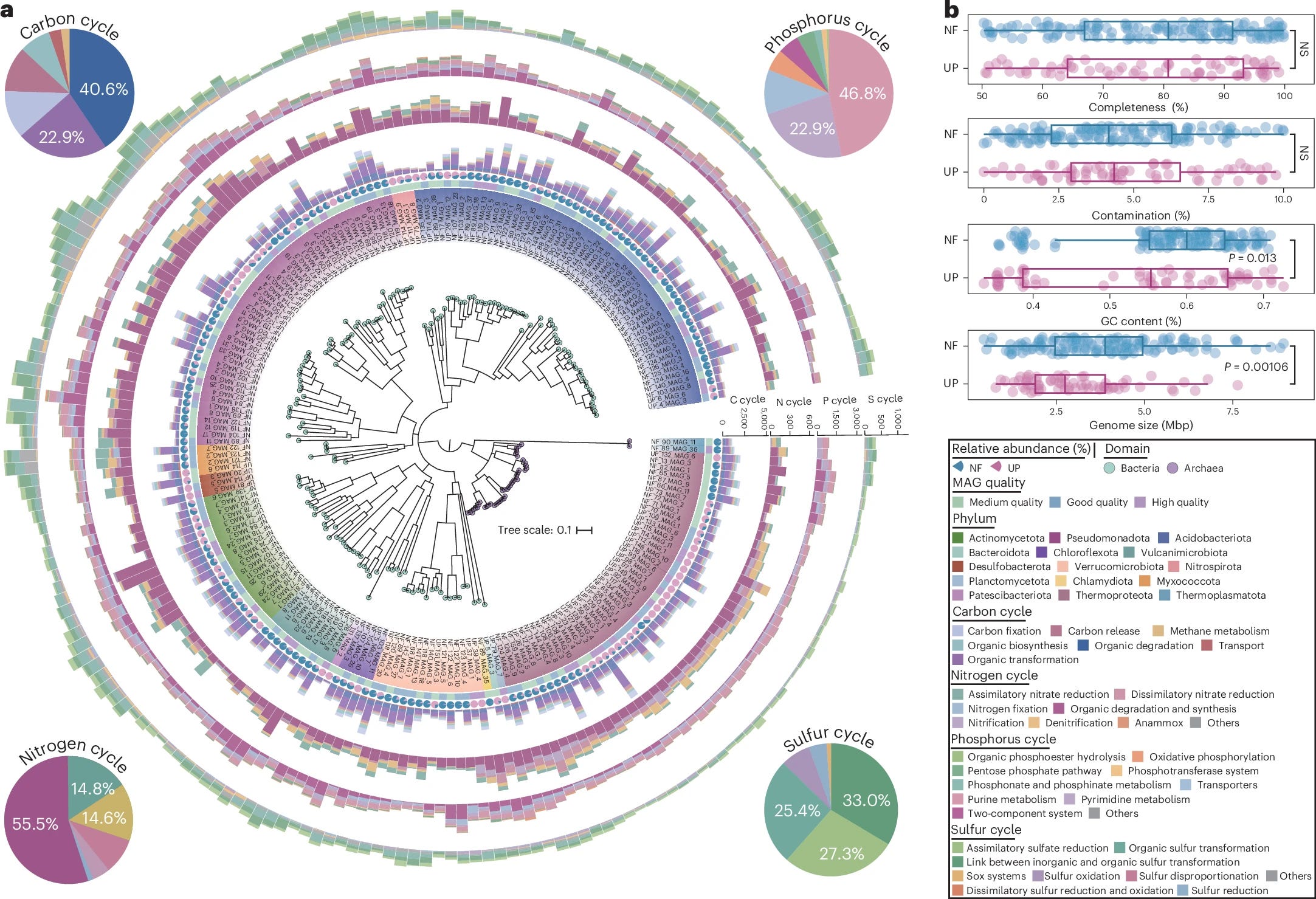
Urban parks, situated between cities and nature, act as ecological buffers and provide unique niches for soil microbial communities. However, it remains unclear how urbanization affects the functional diversity and evolutionary potential of microbial communities. Here, to address this, we conducted a large-scale field survey across 54 urban park and forest sites in the Pearl River Delta, one of the most rapidly urbanizing regions. Urban parks exhibited higher bacterial and archaeal alpha diversity, biomass, and functional genes related to nutrient cycling compared with forests. These differences were driven by nutrient enrichment and soil pH changes. Microbial genomic analysis revealed a trade-off between short-term ecological functionality and long-term evolvability. Urban parks enhanced immediate functionality but reduced genomic size and evolutionary flexibility, suggesting that urbanization pushes microbial communities toward functional specialization at the expense of adaptive capacity. In contrast, forest soils maintained higher genomic diversity, supporting resilience to environmental changes. These findings highlight the importance of integrating ecological and genomic approaches to predict ecosystem service sustainability in urbanizing areas.
Neuroscience
An international mega-analysis of psychedelic drug effects on brain circuit function
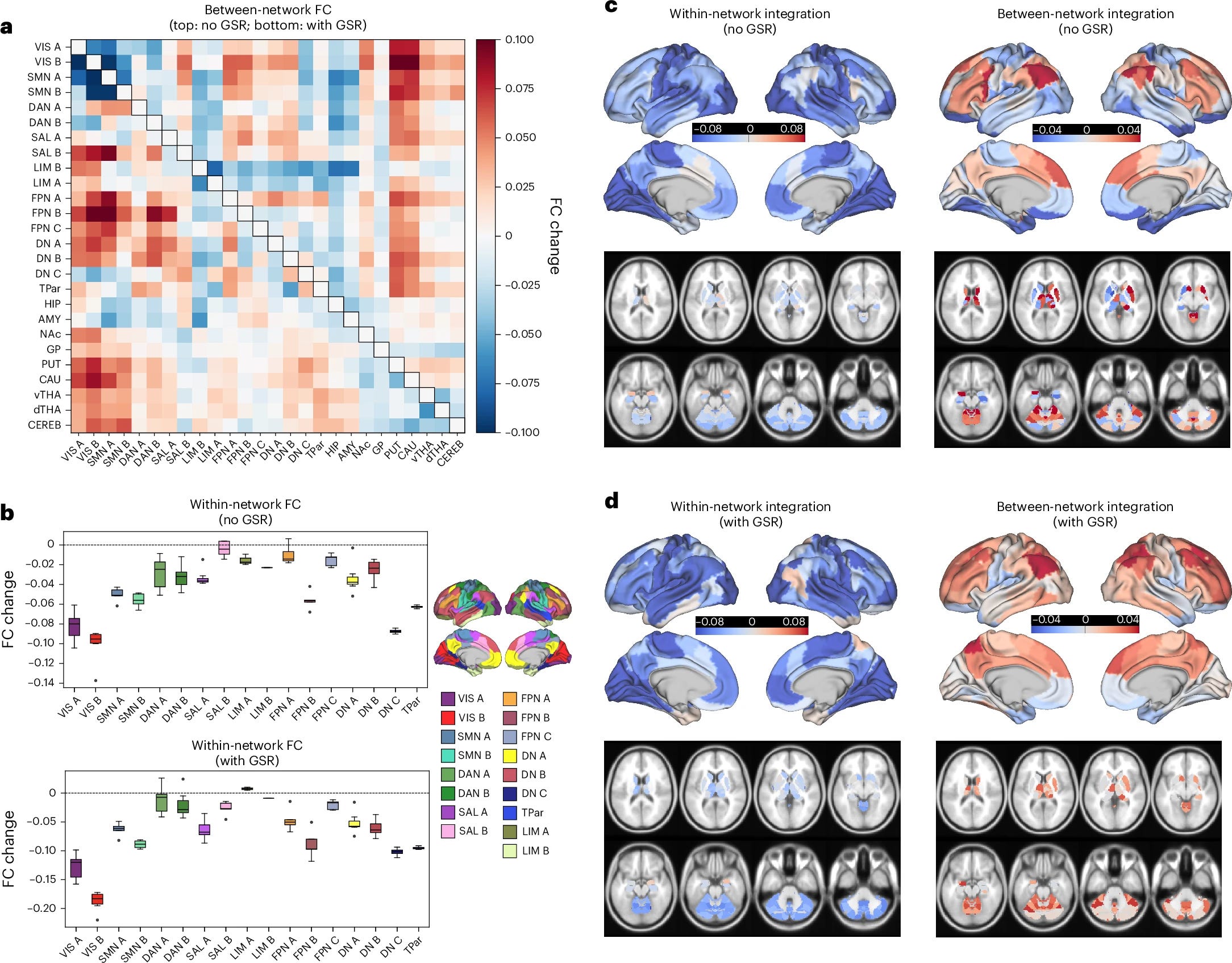
Psychedelic drugs are re-emerging as promising scientific and clinical tools. However, despite a rapidly expanding literature on their therapeutic value, the neural mechanisms underlying psychedelic effects remain unclear. Resting-state functional magnetic resonance imaging studies of acute psychedelic effects, conducted independently by several research groups, have so far yielded fragmented and sometimes inconsistent findings. Here, to help facilitate greater convergence, we conducted a ‘mega-analysis’ integrating 11 independent resting-state functional magnetic resonance imaging datasets across five psychedelic drugs (psilocybin, lysergic acid diethylamide, mescaline, N,N-dimethyltryptamine and ayahuasca) from research groups spanning three continents and five countries. By applying a uniform preprocessing pipeline and a Bayesian hierarchical modeling framework, we discovered several common features in the induced alterations to brain function across drugs and sites. Most prominently, we identified a core signature of increased functional connectivity between transmodal (default, frontoparietal and limbic) and unimodal networks (visual and somatomotor), with subnetwork specificity. Furthermore, key subcortical regions (thalamus, caudate and putamen) and the cerebellum exhibited altered coupling with sensorimotor networks. In contrast to several single-site reports, Bayesian modeling revealed weak-to-moderate and selective reductions in within-network functional connectivity, with substantial variability across drugs and networks. Together, these findings extend past work by demonstrating that psychedelics reconfigure large-scale cortical organization while selectively engaging subcortical circuitry. This study provides the most comprehensive synthesis of psychedelic brain action to date, helping resolve inconsistencies and offering a probabilistic map of how psychedelics alter large-scale brain organization. We hereby provide a cornerstone to benchmark and shepherd future psychedelic neuroimaging research.
In vitro neurons learn and exhibit sentience when embodied in a simulated game-world
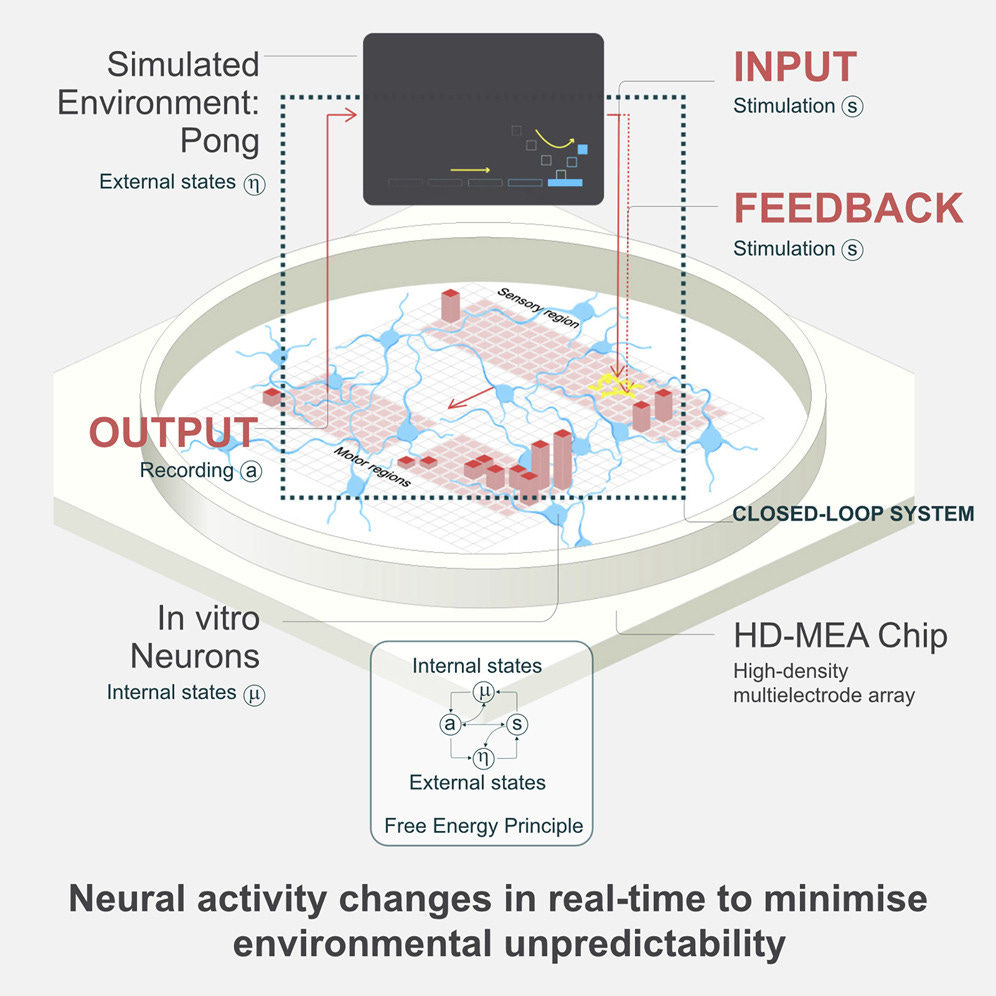
Integrating neurons into digital systems may enable performance infeasible with silicon alone. Here, we develop DishBrain, a system that harnesses the inherent adaptive computation of neurons in a structured environment. In vitro neural networks from human or rodent origins are integrated with in silico computing via a high-density multielectrode array. Through electrophysiological stimulation and recording, cultures are embedded in a simulated game-world, mimicking the arcade game “Pong.” Applying implications from the theory of active inference via the free energy principle, we find apparent learning within five minutes of real-time gameplay not observed in control conditions. Further experiments demonstrate the importance of closed-loop structured feedback in eliciting learning over time. Cultures display the ability to self-organize activity in a goal-directed manner in response to sparse sensory information about the consequences of their actions, which we term synthetic biological intelligence. Future applications may provide further insights into the cellular correlates of intelligence.
Functional hierarchy of the human neocortex across the lifespan
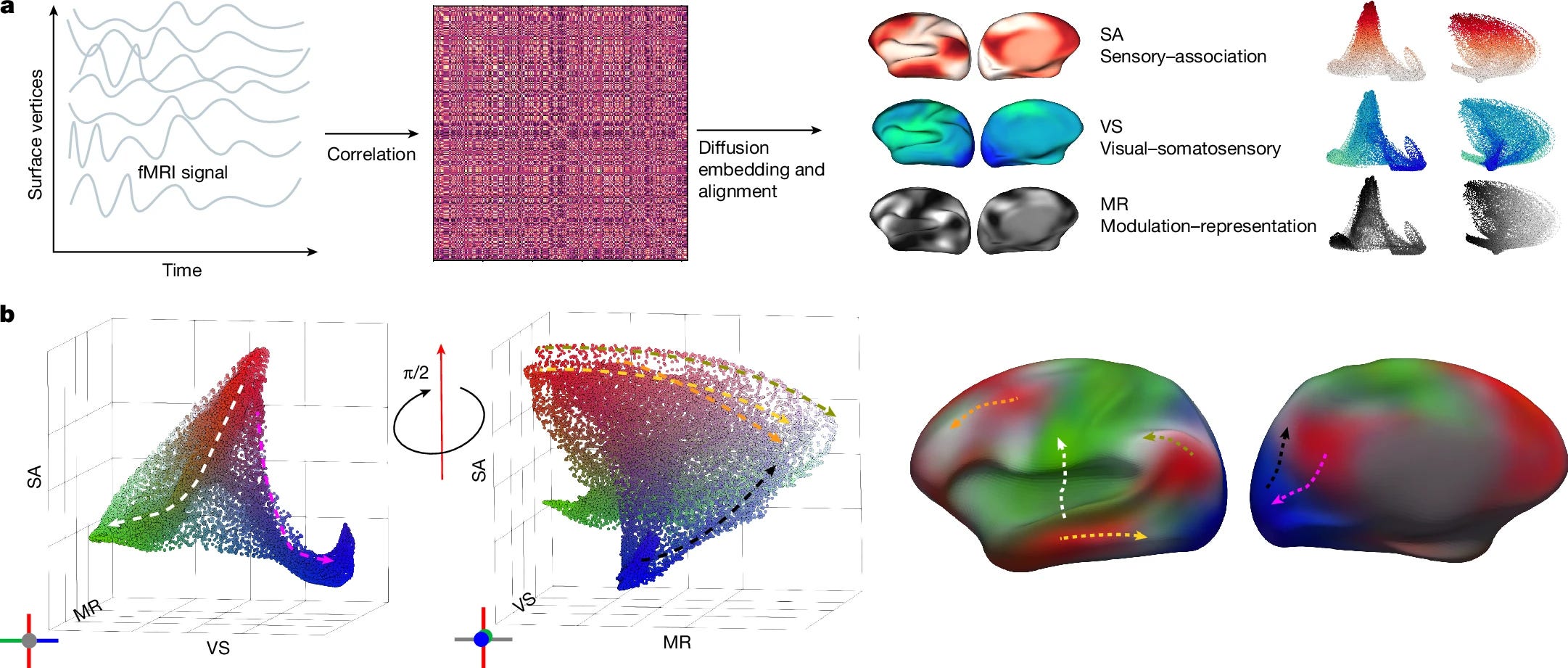
Large-scale gradients of functional connectivity between brain areas organize the human neocortex, linking brain topography to the texture of cognition1,2. In adults, three dominant axes—sensory–association, visual–somatosensory and modulation–representation—run, respectively, from primary sensory to transmodal association areas, from visual to body-centred systems and from control and attention networks to default mode and sensory areas1,2,3,4. These gradients provide a compact description of large-scale cortical hierarchies that underlie distinct modes of information processing. However, how these gradients and their multiscale biological and cognitive correlates evolve across the lifespan is unknown. Here we establish a continuous normative reference of functional organization from birth to 100 years of age, revealing complex, nonlinear developmental trajectories. Gradient architecture is anchored by primary sensory systems in infancy, differentiates along association and control axes during childhood and adolescence and gradually dedifferentiates during ageing. The importance of this functional architecture is corroborated by biology and behaviour: gradient metrics predict cognitive performance across development; structure–function coupling varies by axis and age; and distinct transcriptomic signatures are strongest early in life and weaken with age, consistent with a transient genetic scaffold for gradient architecture. Our lifespan gradients unify diverse research into developmental brain connectivity and provide a shared multimodal reference for future studies.
Human-specific features of the cerebellum and ZP2-regulated synapse development
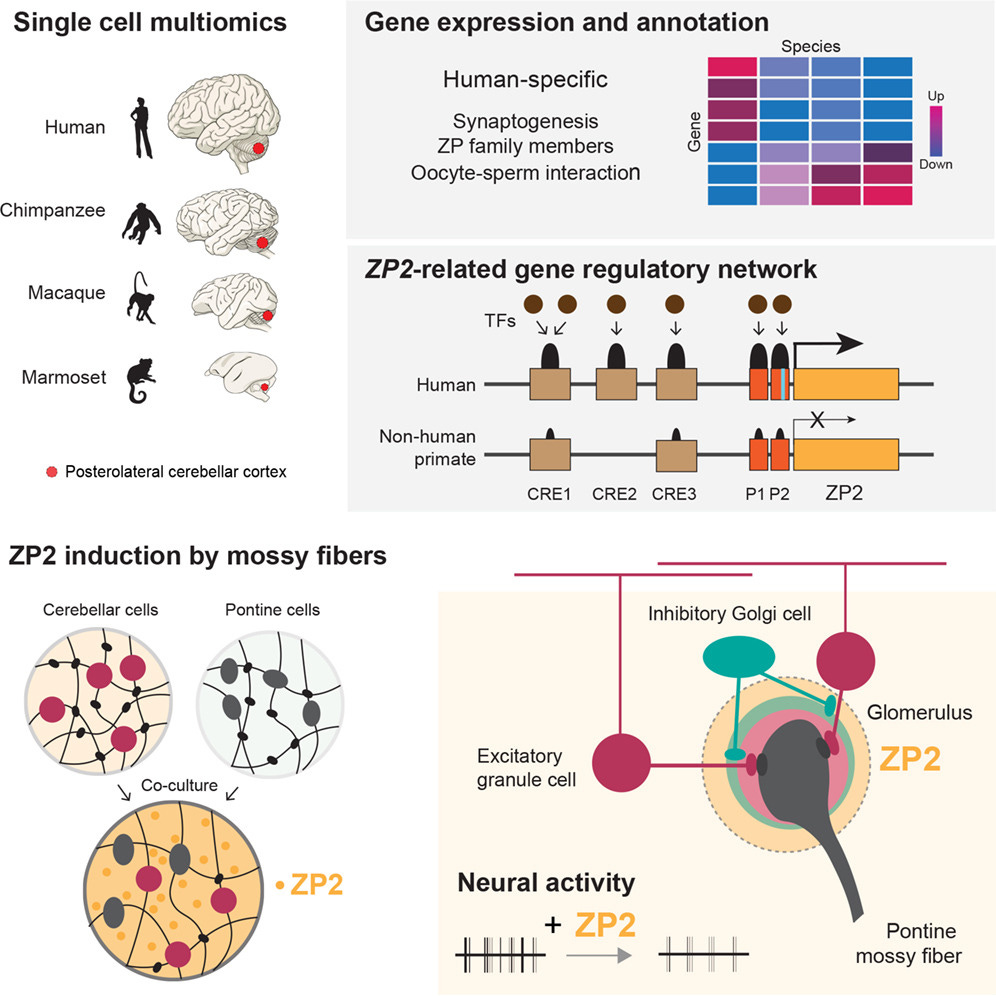
Understanding the unique features of the human brain compared with non-human primates has long intrigued humankind. The cerebellum refines motor coordination and cognitive functions, contributing to the evolutionary development of human adaptability and dexterity. To identify shared and divergent features across primates, we conducted single-nucleus transcriptomic and chromatin accessibility profiling of the adult cerebellar cortex in humans, chimpanzees, macaques, and marmosets. We revealed human-specific transcriptomic and regulatory features, particularly those involved in synaptogenesis. Notably, we identified enrichment of the sperm receptor zona pellucida glycoprotein 2 (ZP2) and its potential interactors, known for their roles in gamete interaction, in human granule cells (GCs). Experimental data show that ZP2 expression in human GCs is induced by pontine mossy fibers, reducing synaptic proteins at the pontocerebellar glomerular synapses and decreasing cerebellar neuron electrophysiological activity. This unexpected co-option of ZP2 in human-specific synapse regulation provides insights into the evolutionary specialization of the human cerebellum.
→ Please, remind that if you find value in #ComplexityThoughts, you might consider helping it grow by subscribing, or by sharing it with friends, colleagues or on social media. See also this post to learn more about this space.